Dog Play 101
I have been helping a number of clients’ dogs develop their social skills lately. Whether that is building their confidence around other dogs, reeling in hellos that are a bit much or just making sure that their play is appropriate. We can help our dogs learn to play, or at least engage appropriately with their fellow canines. This is easiest during their critical period for socialization (0-16 weeks) but also possible as they get older. It can just take some time and energy!
It is important to remember that not all dogs like to play, especially once they become adults (~age 2). This is pretty normal. How you like to spend your social time is different from the next person too and different from how it was when you were a kid. Some dogs who are not players necessarily may still just enjoy the opportunity to be around other dogs, canines are social creatures after all. It is even more important to remember that most dogs do not love all dogs. Just like you and me- if you walk into a party there are the people who you are interested in having a chat with and those with whom you vibe less. There may even be the folks who you find it really easy to argue with. It’s the same for our dogs and that is totally normal. Finally there are the dogs who do not enjoy the company of any dogs at all or feel threatened by other dogs. This could be based on previous experiences, genetic, lack of experiences or a combo of all three. While less common, this does not mean there is something wrong with them and we just need to adjust their lives accordingly.
But for the dogs who seem to like play what do we look for to know the play is appropriate? How do we know if it is too much? Here is my guide to play 101 with some links to great videos of my colleagues to support!
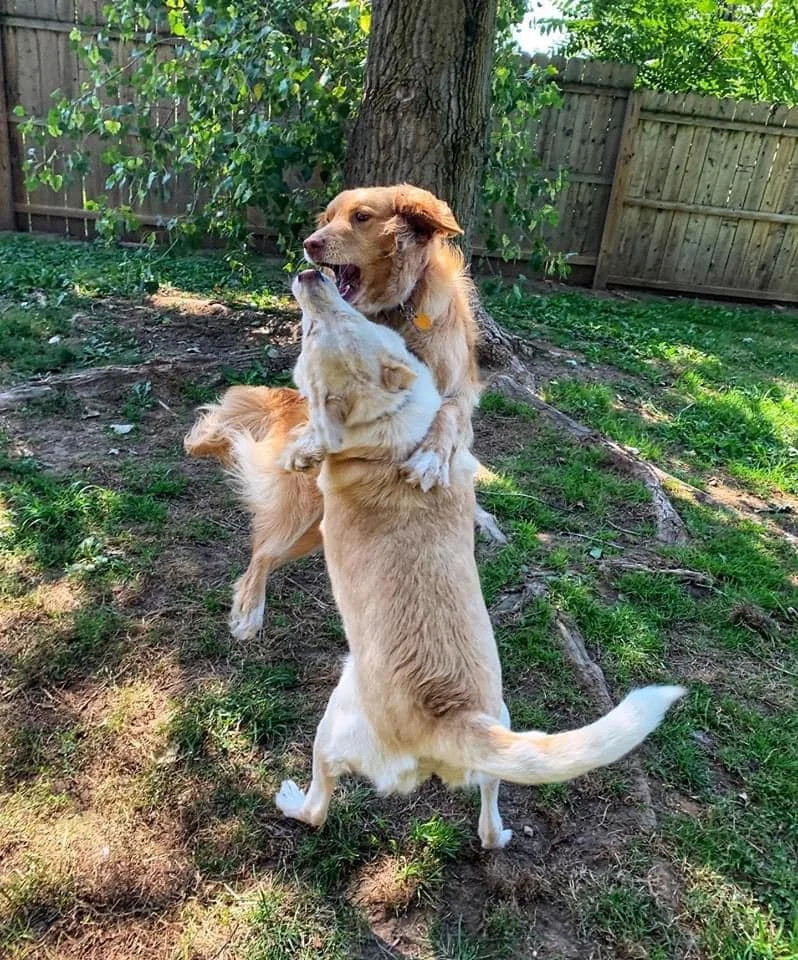
Play is an important energy burner and social outlet for dogs, and can look pretty intense sometimes! Understanding the basics of healthy dog play and body language can help frame what you are seeing and know when to redirect and when it is ok. Play is a rehearsal of four dog life skills: Fight, flight, feeding and courtship. Healthy play has ritualized components of all 4 of these behavior categories.
In addition watch for:
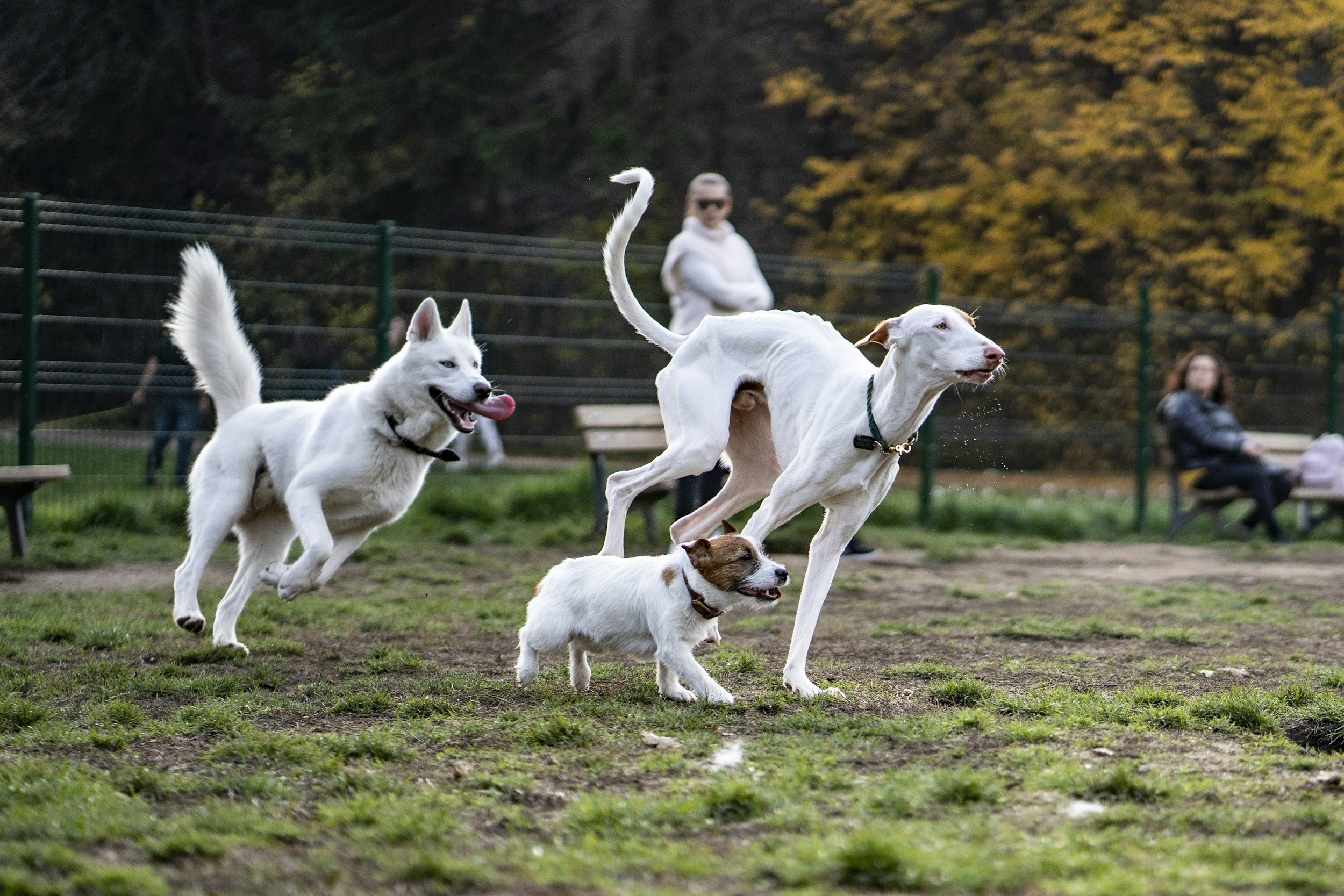
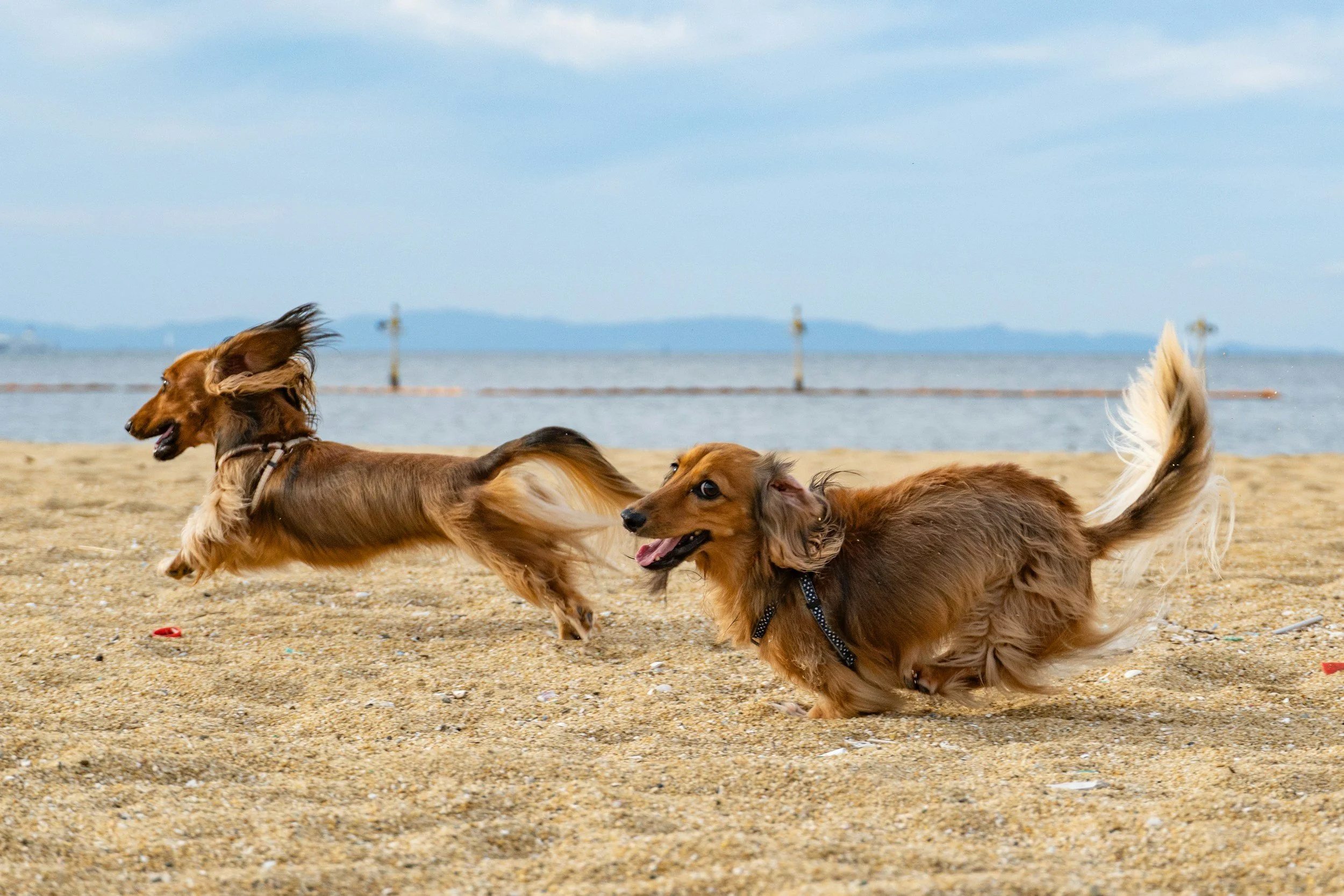
Play signals: Body language that states to other dogs, “Hey I’m playing now! Join me?!” Bows and paw lifts, “smiley” faces, bounding gaits, wiggly bodies, inefficient moment that looks a ways from the “real thing.” For example: boingy chasing or flopping over with the slightest push.
Activity shifts: A bit of chase, a bit of wrestling, a bit of tugging on a stick together….this is especially what we want to see with dogs who are just meeting. Dog who have played a lot together may have their go to activiites.
Role Reversals: This really distinguishes real vs. play. One dog is on top of the wrestling pile the the other is, both chase each other. If it is just one dog getting chased they may be actually trying to get away. Be confident that both dogs are comfortable in both roles.
Self Handicapping: Scaling back from the dog’s full force potential. Softer biting, bouncier chasing, gentler nudging, half intensity wrestling. You should see this especially in healthy play between dogs of two different sizes. This is also reflected in a dogs ability to adjust their play style to their play buddy: To rev it up when the other dog matches that energy that but more importantly to calm it down when it is a smaller or more mellow friend.
CONSENT TESTS
If you are ever in doubt as to whether any dog is having fun playing, remove the dog they are playing with and see if the dog in question comes back for more. If they do not they were probably not having that much fun. Separate the dogs for a little while and let things cool down. These dogs may not be good play matches right now. It is also appropriate to separate the dogs if things are just starting to feel a little too intense or real. Have a pause and then try again.
I love this video (and part 2!) about dog play for more information and some visuals!
If the play is loud and intense but your are observing all of the above and have done multiple consent tests to be sure, then these dogs play style is likely just loud and rambunctious, but fine! Remember they are rehearsing things that are noisy! Fighting, feeding, courtship! Another helpful way to think about it is if you muted the “video” how would it look? Are you just getting distracted by growling and barking? That said, if dog A is playing intensely and it is too much for dog B we still need to take a break from that play for the sake of dog B, even if dog A “means well”. This is why it is always important to watch the body language of both dogs regardless of which one is yours as it is important that both parties are having a good time.
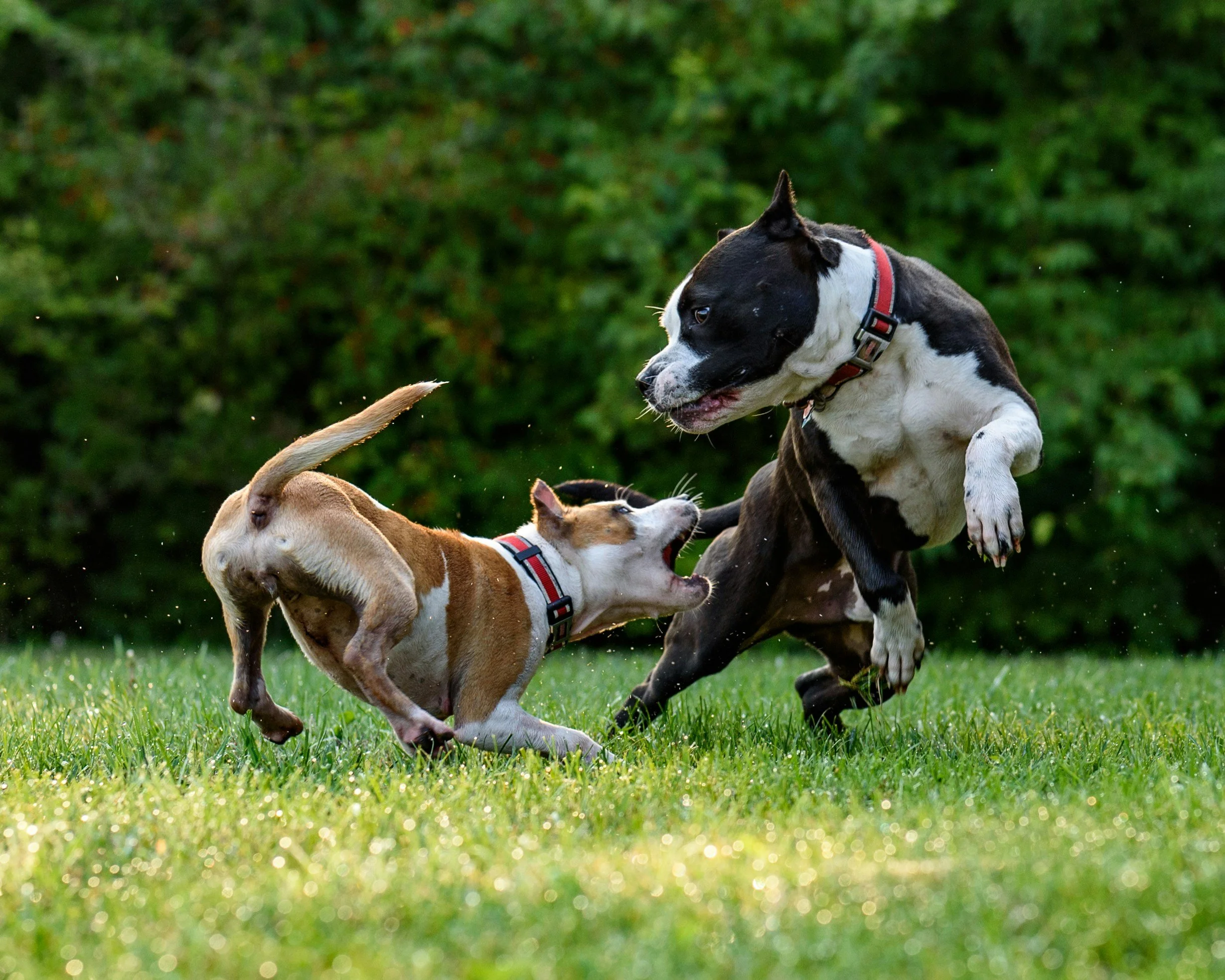
So what do you do if your dog is not playing well and demonstrating the components above? If it is a general play skills deficit then lots of interruptions and pauses when things get too “hot” can gradually teach them that in order to continue playing they need to keep things calmer. If they are a dog that likes to bully just certain dogs but plays well otherwise, then a bigger penalty is in order like ending the play session all together. It can be helpful, even necessary to have them on a longline or dragging a leash in order to catch them when they are playing inappropriately. All of this takes lots of repetition and is an area where having a professional handler can be really helpful. Call me if you need some support!