Top 5 Things Every Dog Should Know
There are not many things I believe every dog must know. Day to day routines and households are different, and training should always serve real life rather than a checklist. That said, there are a handful of skills that help dogs integrate more safely and comfortably into our world—and help us live with them more easily too.
These aren’t about control or perfection. They’re about safety, ease and being a respectful community member. In no particular order:
1. Recall
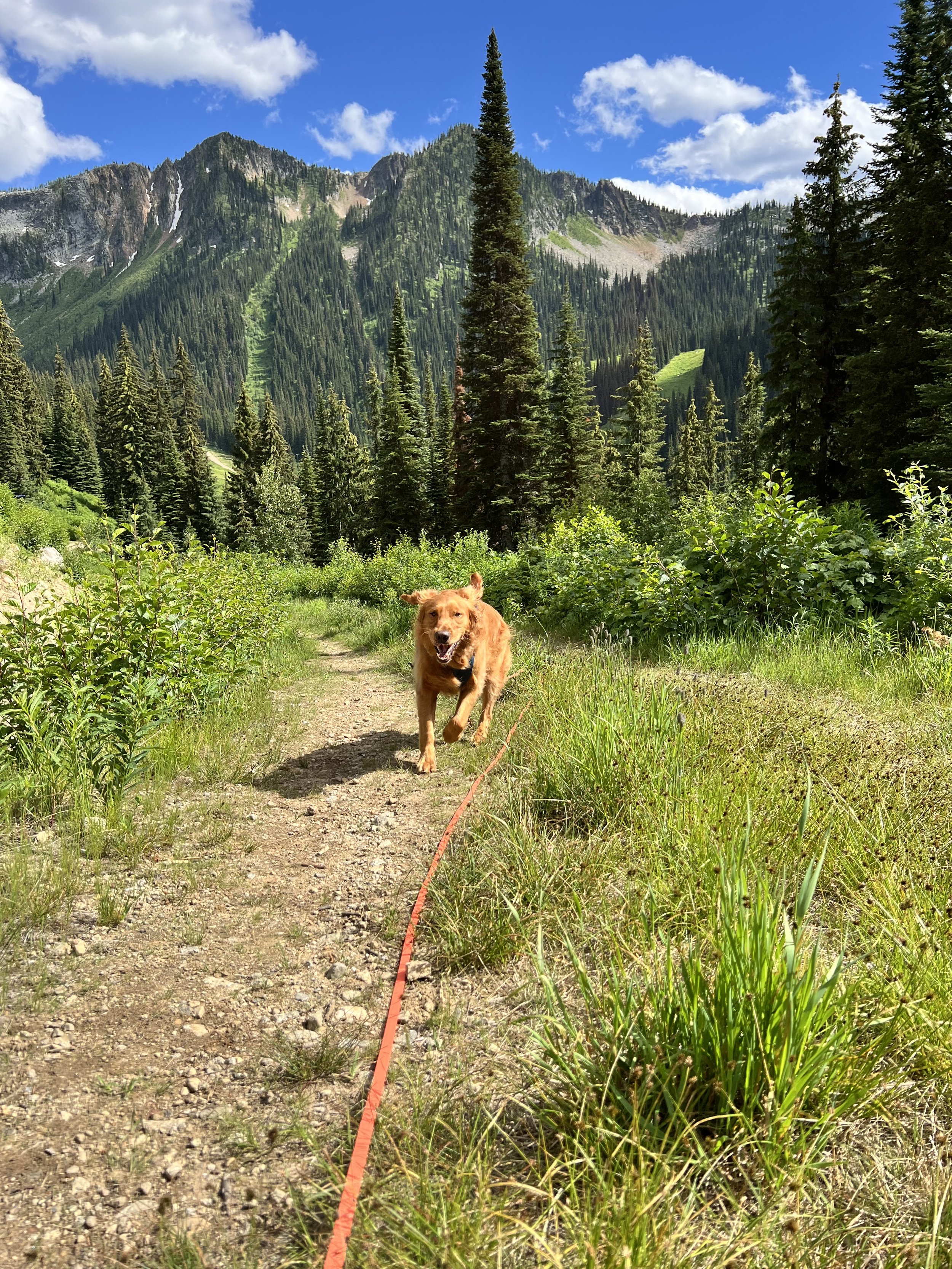
Your dog should be able to come to you when called, across a variety of situations and away from both big and small distractions. A reliable recall allows you to call your dog away from danger, from wildlife, or from situations where another dog or human may not welcome an approach. We may love dogs and not everyone does, sometimes for really good reasons. This is important to remember.
The road to a truly functional recall is paved with intentional practice, gradually increasing difficulty and practice in the kinds of environments where you’ll actually use it. Management is also critical to prevent your dog from learning that not coming - don’t let them off leash if you may need to call them and the likely won’t come. A longline is my second favorite tool for working on recall, preceded only by the highest value of treats!
2. Wait
Wait is a safety skill, plain and simple.
This might mean waiting at a door, before crossing a road, or before proceeding down a trail—until the dog is released to do so. My goal isn’t to create a dog who pauses at every single threshold, that is unnecessary. What matters is knowing that if I ask, my dog can pause.
The car is the one place wait is always required. In other contexts it is situationally dependent—but I want the confidence that my dog understands how to stop when needed.
3. Settle
Settling is a helpful skill that can be used in a wide variety of contexts.
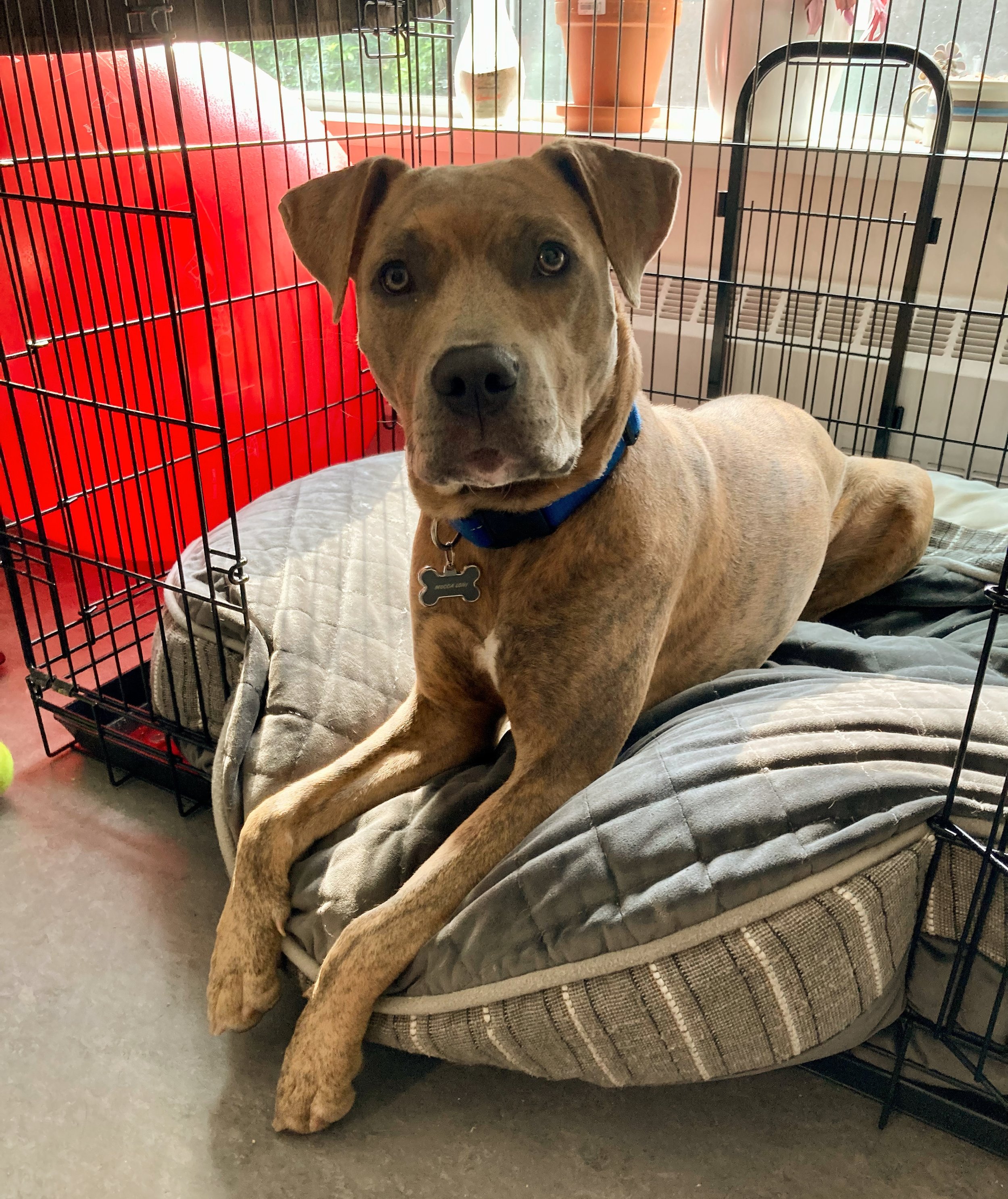
This might look like a cue to go to bed, lie down, or relax on a mat. It gives your dog something to do when you need them out from under your feet, when the environment is busy, or when excitement levels need to come down. It’s about teaching dogs how to do nothing comfortably - an off switch.
Like all of these skills, settle is most useful when it’s practiced in many locations. A settle that only works in your living room won’t help much on a friend’s patio or at the park. A mat can be a helpful visual cue—something that tells your dog, “This is your spot to chill.”
4. Polite Greeting Skills
Jumping on your friends might be okay. Jumping on grandma—or the stranger in the park wearing white pants—is not.
Rather than asking dogs to guess who it’s acceptable to jump on and who it isn’t, it’s much easier to generalize a single rule: hellos happen with paws on the ground. Period.
Polite greeting skills help dogs navigate social situations without causing stress, discomfort, or accidental injury. They also give your dog a clear framework for success. When expectations are consistent, dogs don’t have to guess—and that clarity benefits everyone involved.
5. How to Play
This one surprises people, but not all dogs actually know how to play—and many benefit from being taught.
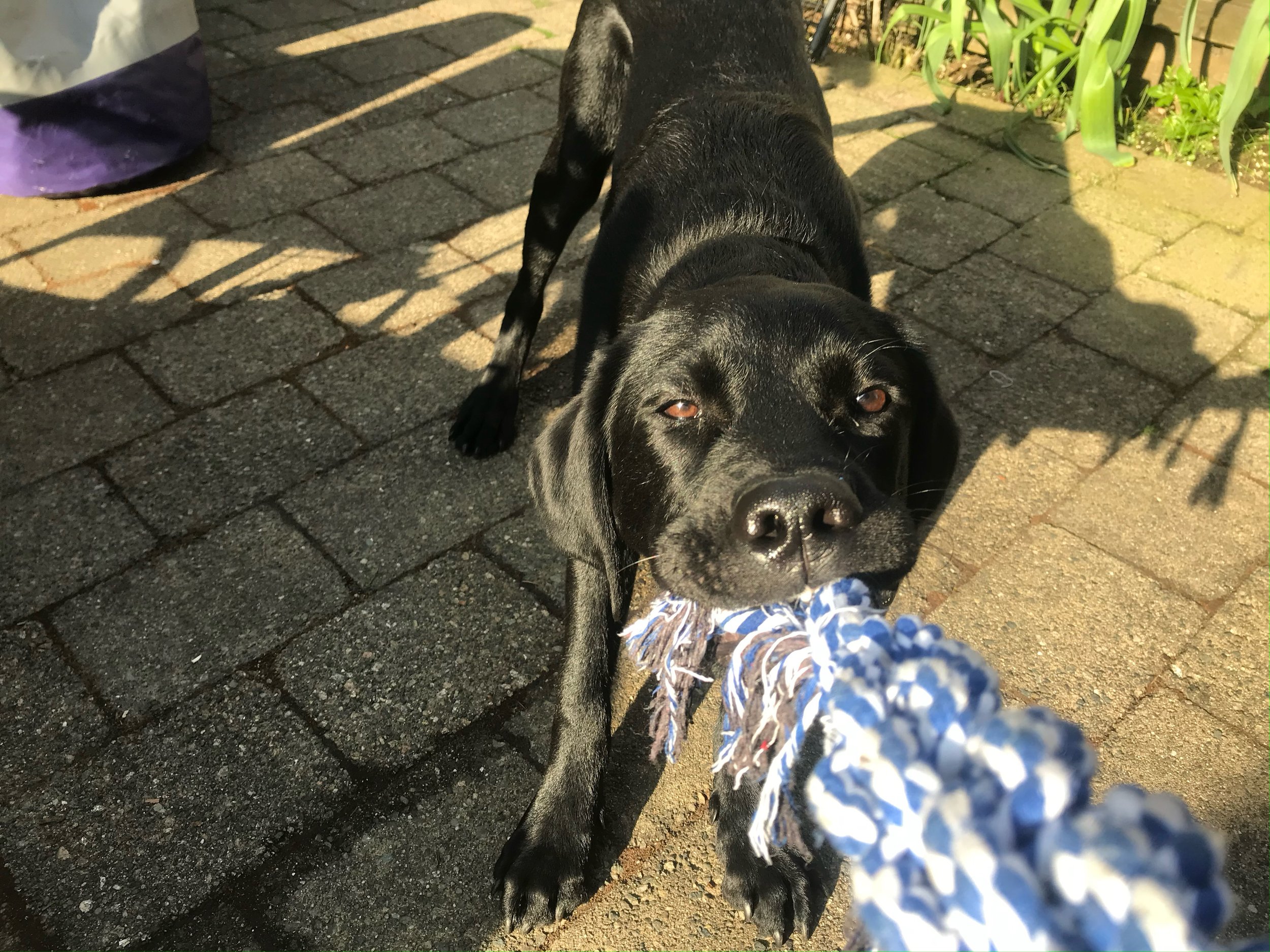
Play doesn’t just mean play with other dogs. It can include play with toys, with you, through nose work, food puzzles, or other forms of engagement. Learning how to play appropriately builds confidence, provides an outlet for energy, and strengthens your relationship with your dog.
Play is also a powerful form of mental enrichment. When dogs have regular opportunities to engage their brains and bodies in healthy ways, it can help prevent a wide range of behavioral challenges before they start.
_____
These skills set both dogs and humans up to move through the world comfortably and respectfully, in homes, parks, trails, and social situations. They give your dog the clarity to understand what’s expected and help others feel safe and at ease around them.
Over time, practicing these foundations builds trust between you both which in turn creates allows your dog more freedom to explore, interact, and be included in the places and experiences you share.